Modernisme on Passeig de Gràcia
Artesanato, imaginação e engenharia criativa transformaram uma residência em obra de arte.
Table of Contents
Origins and early vision
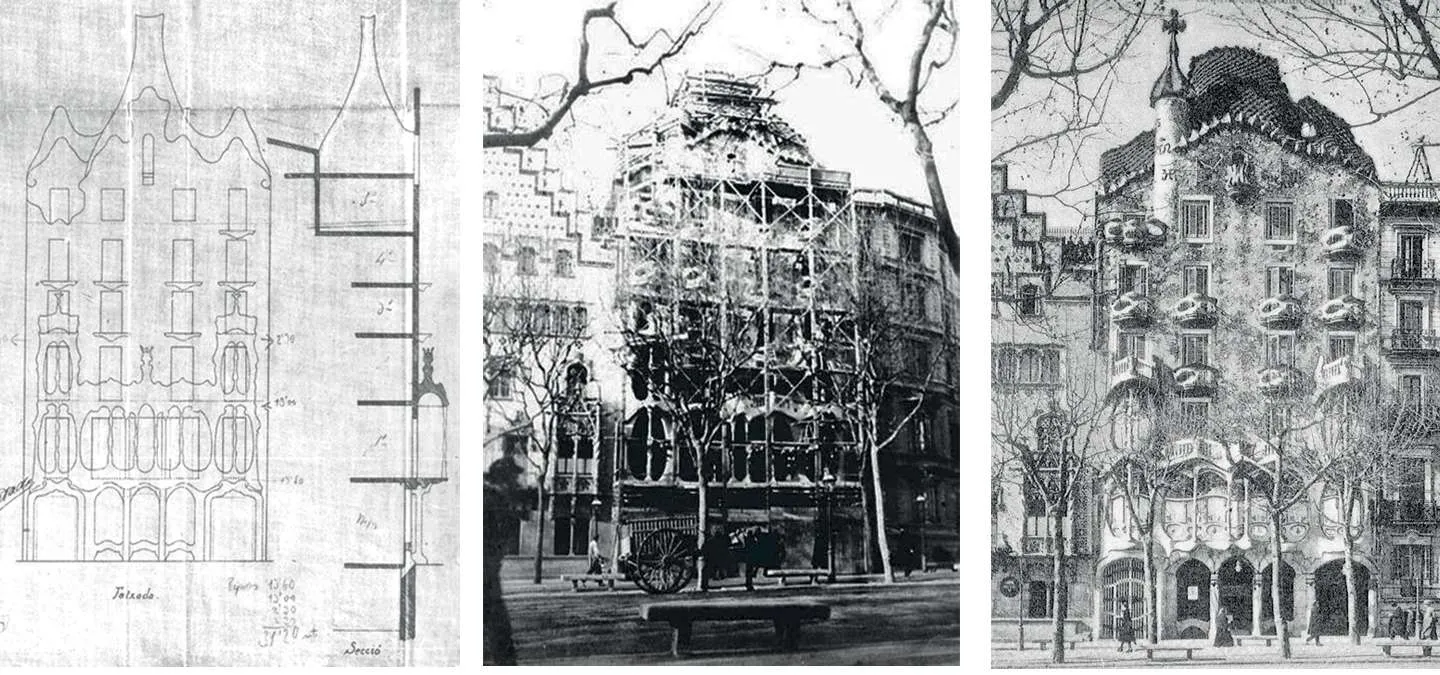
Originally an 1870s townhouse, Casa Batlló was transformed between 1904–1906 when industrialist Josep Batlló commissioned Antoni Gaudí to reinvent it.
Gaudí reimagined structure, light and ventilation—turning a family home into a masterpiece of Barcelona’s Modernisme.
Design and architectural evolution
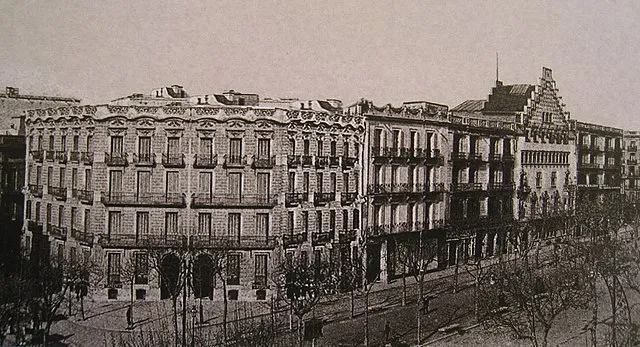
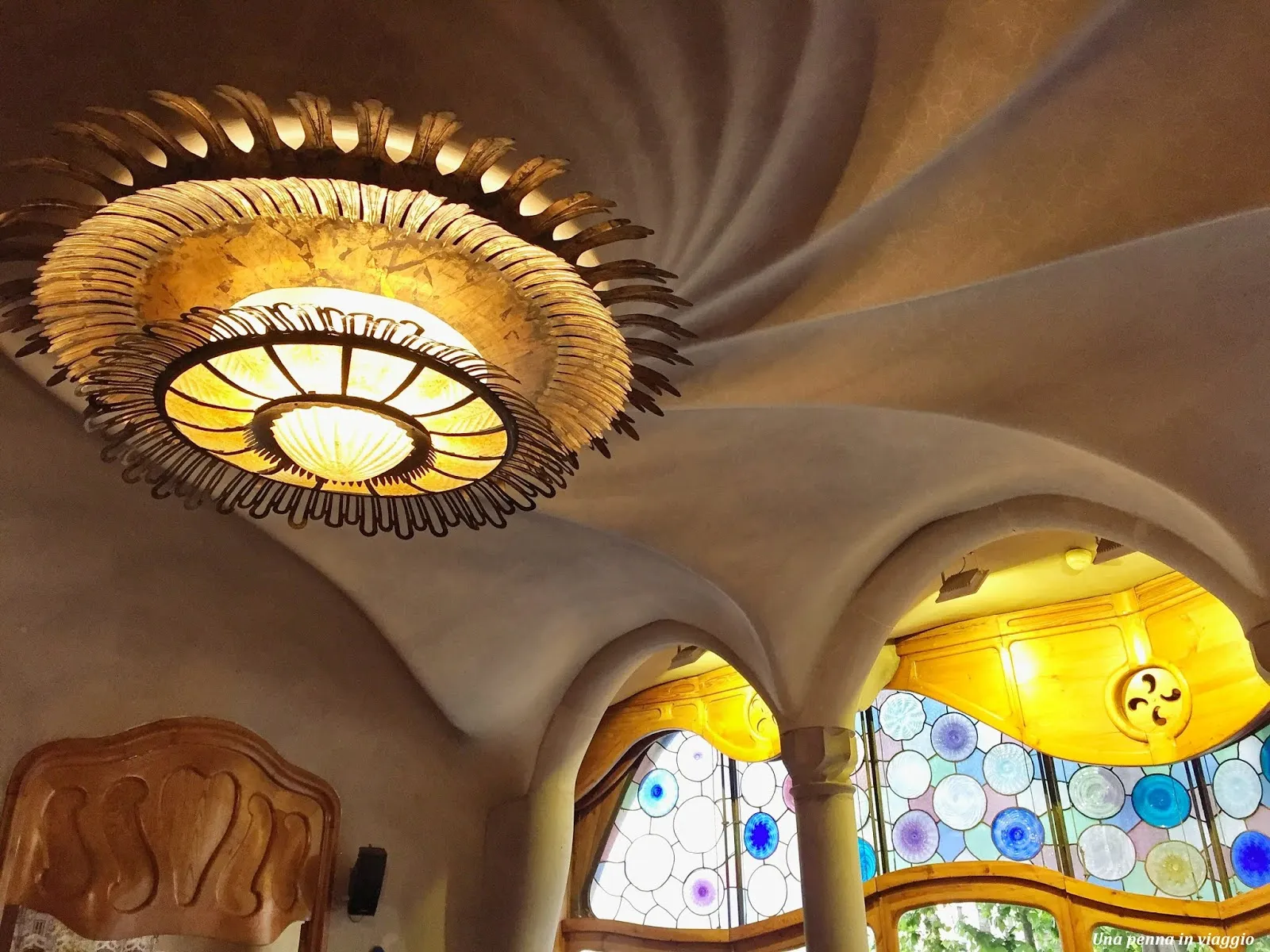
The organic façade waves with stone, iron and colorful trencadís. Inside, lightwells and flowing forms guide air and daylight.
Careful restorations and new immersive rooms enhance the visit while preserving craft, materials and Gaudí’s intent.
Construction and expansions
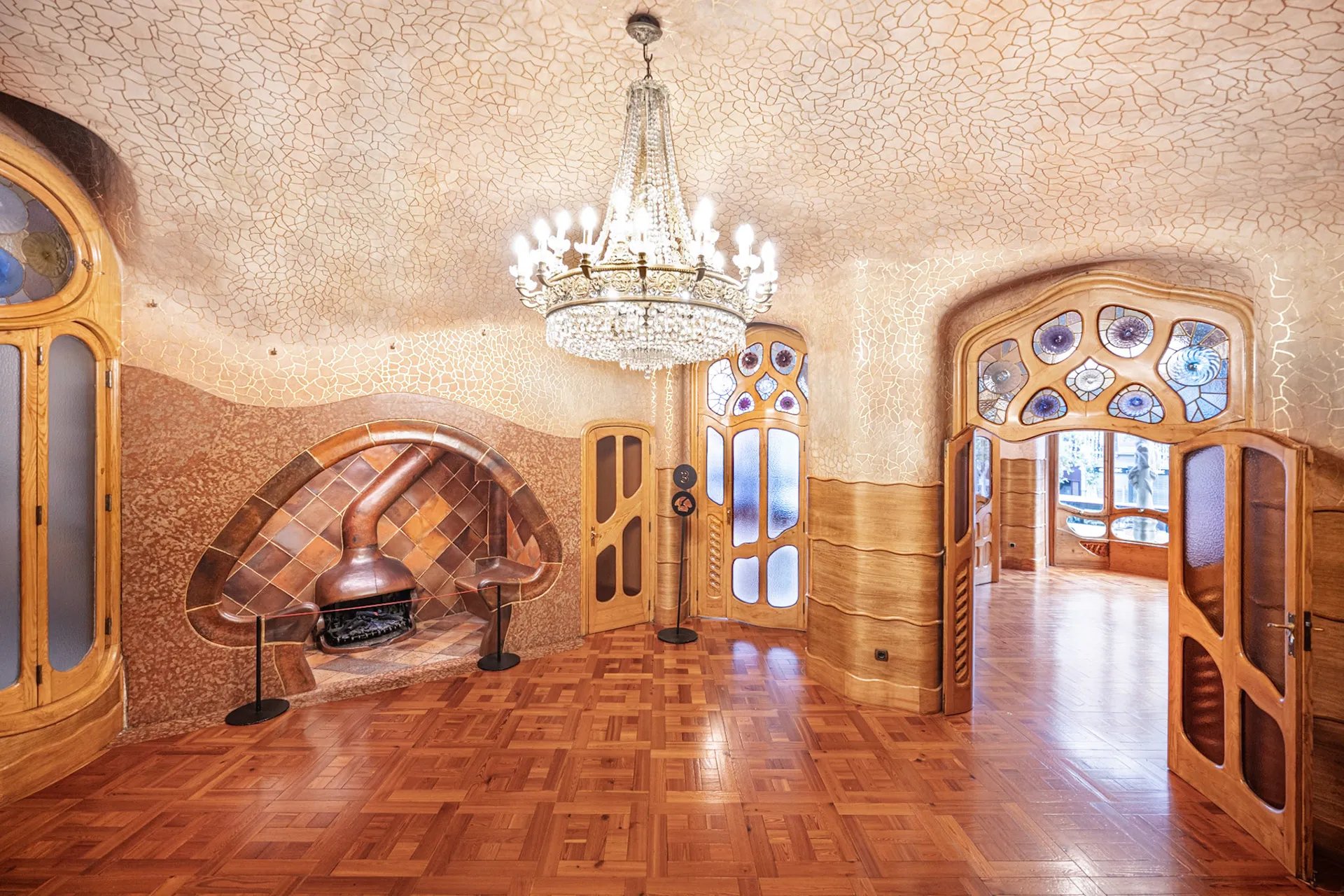
Gaudí reworked the structure, staircase, Noble Floor and patio, adding the attic and rooftop with sculptural chimneys.
Later conservation projects stabilized materials, revived colors and discreetly integrated technology for visitors.
Recognition and cultural impact
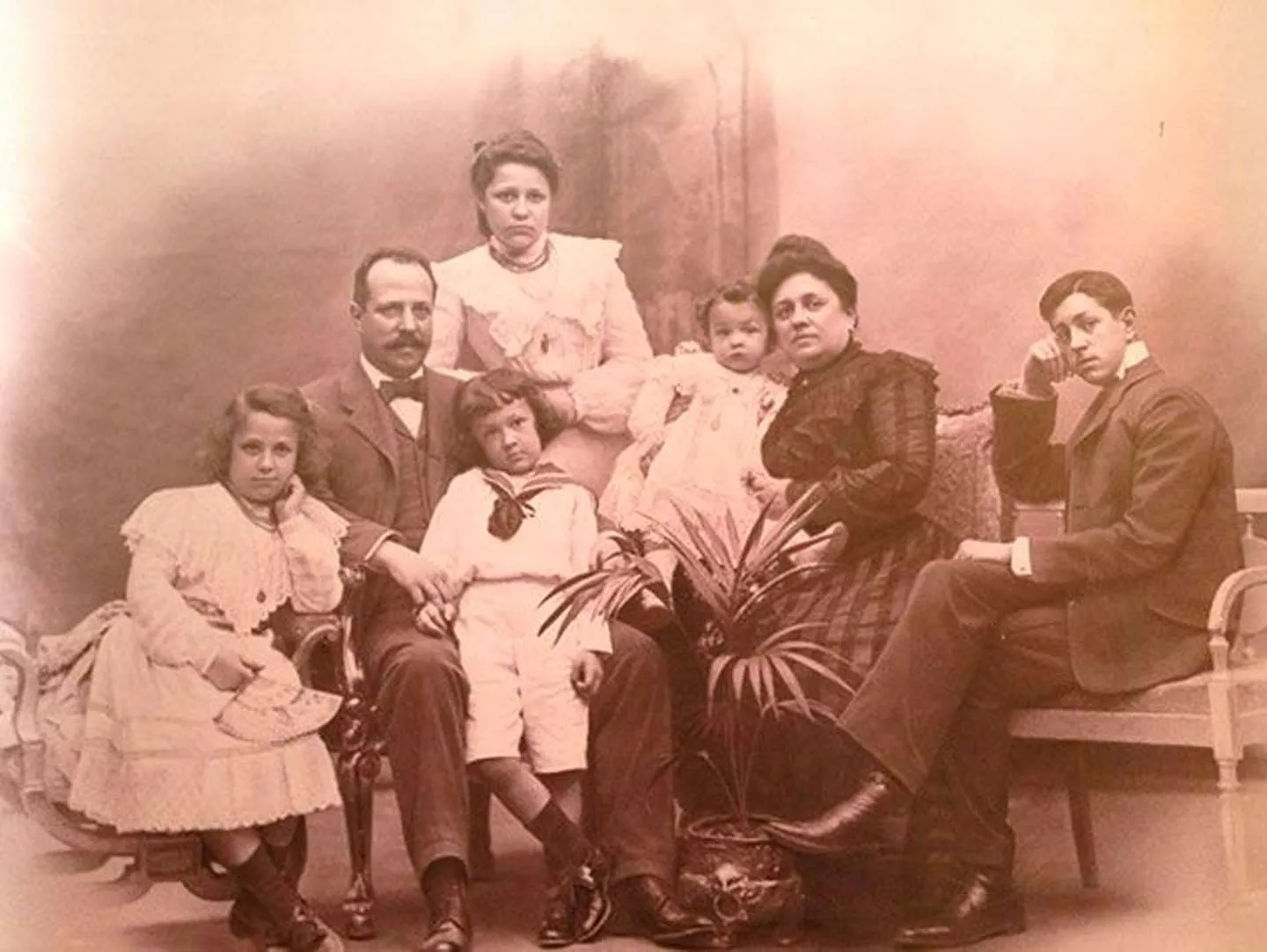
Casa Batlló is a UNESCO World Heritage Site and a symbol of Barcelona’s creativity, craftsmanship and urban identity.
Its silhouette and colors shape how visitors picture the Eixample and Passeig de Gràcia.
Visitor route and experience
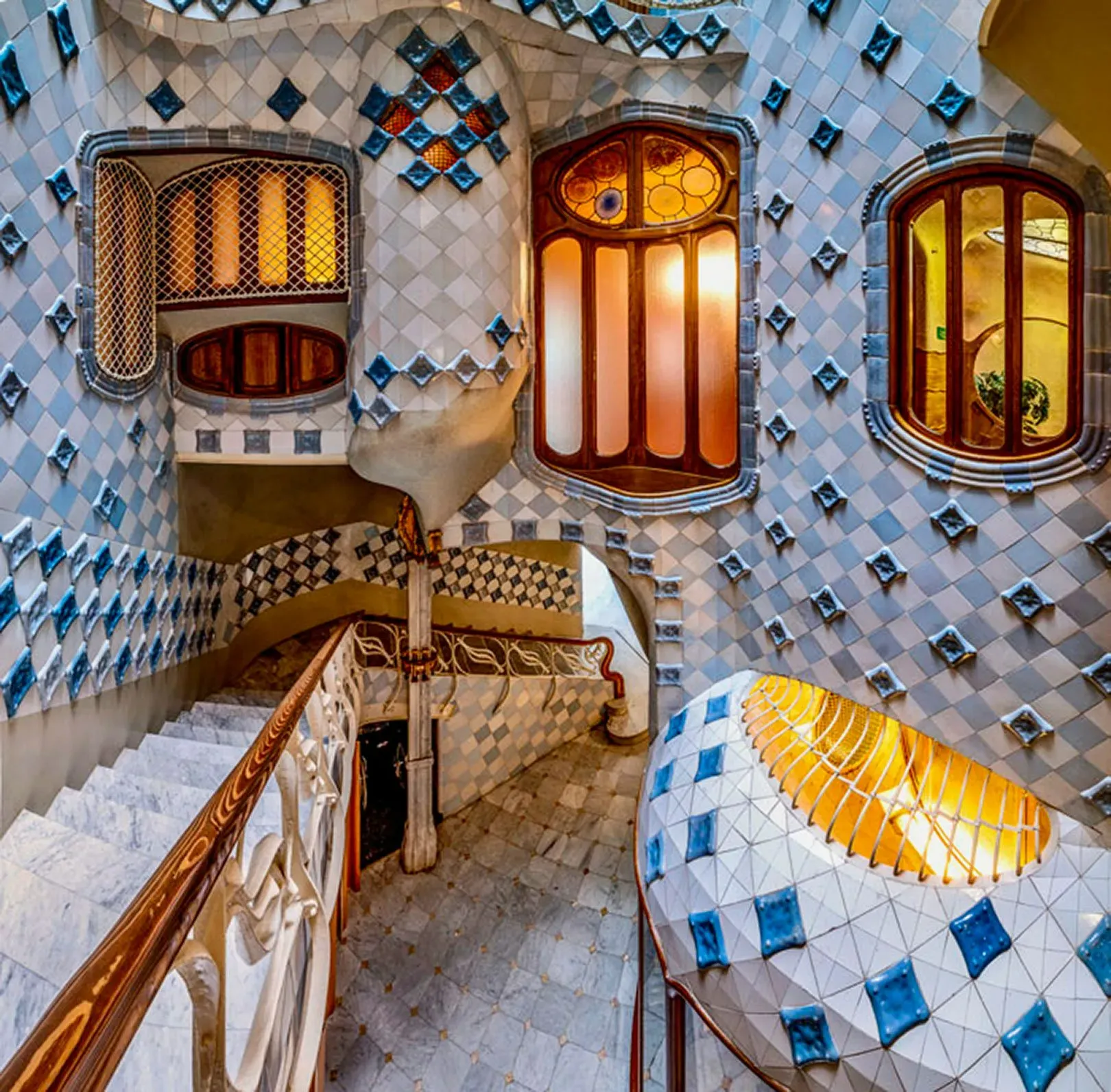
The visit is self‑paced: immersive rooms first, then the Noble Floor, blue patio, attic and rooftop.
Expect photo stops, a smart audio guide and an accessible route with lifts and staff support.
Operations, safety and maintenance
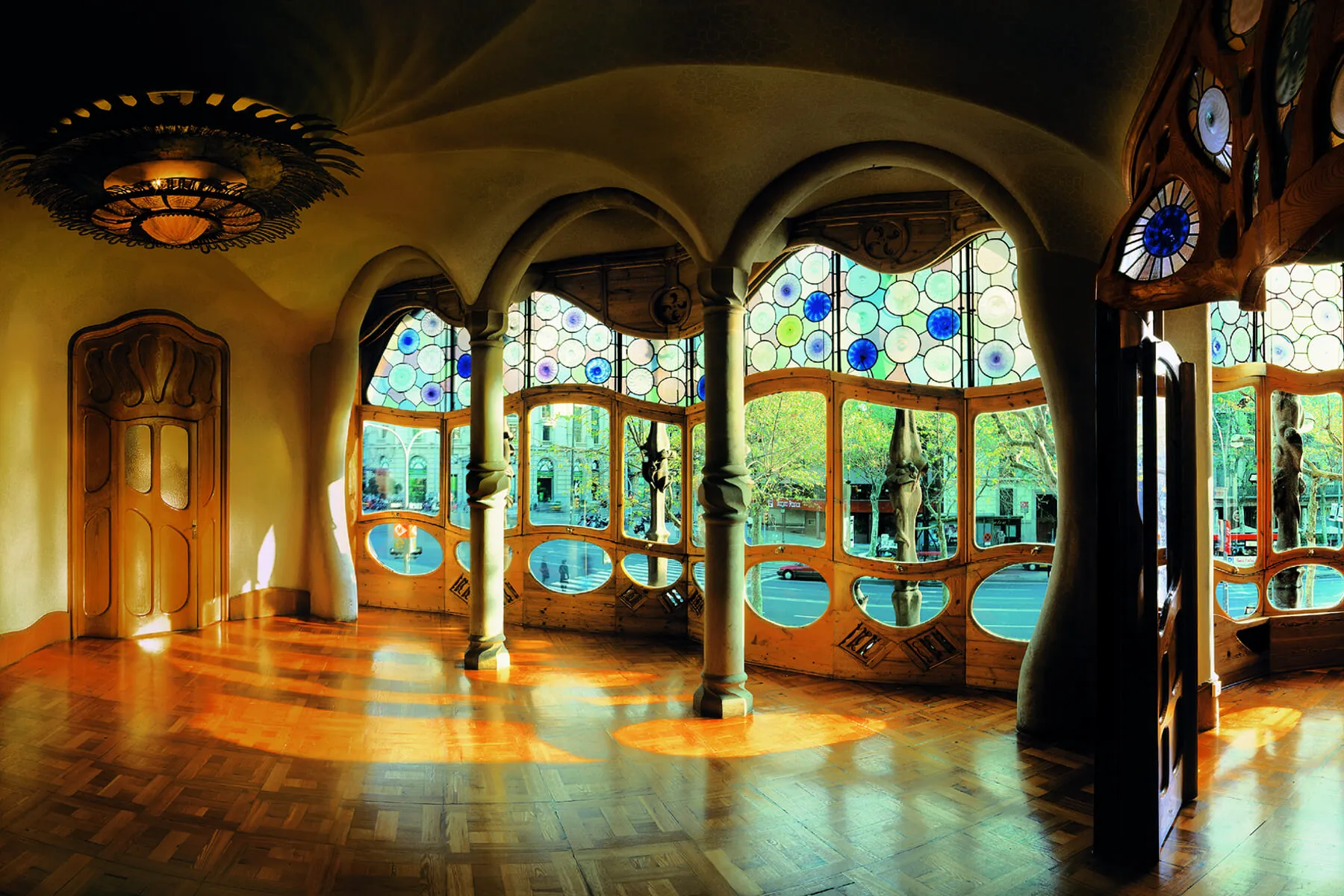
Continuous conservation and regular checks keep materials stable and the visit comfortable and safe.
Private events can prompt route changes; safety and comfort guide operations throughout the day.
Accessibility and inclusion
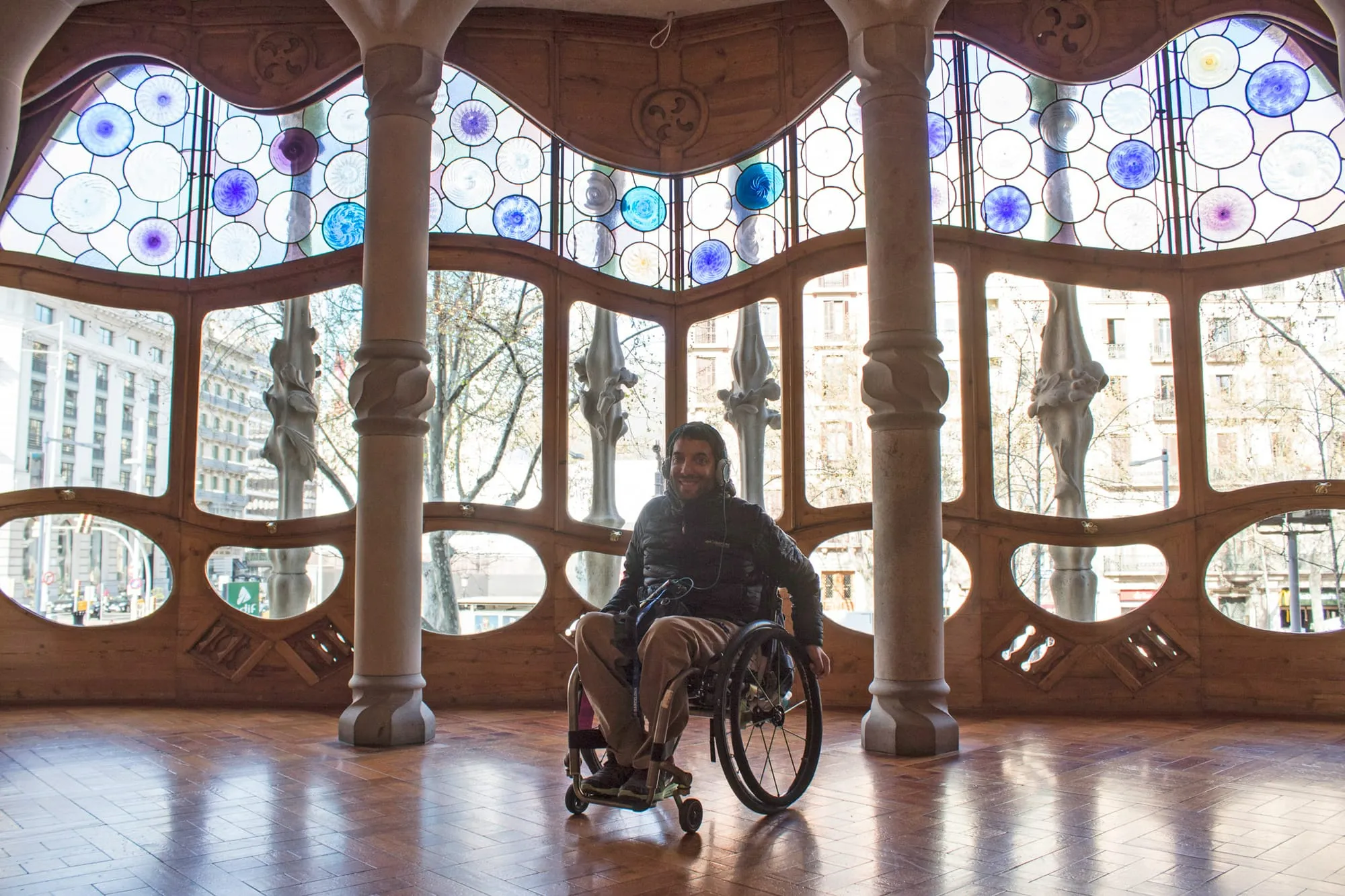
Step‑free routes, lifts and staff assistance make most areas accessible. Strollers are welcome.
Some rooftop sections include steps—ask staff for the best route and alternatives.
Sustainability and urban context
A central, public‑transport‑first location reduces car use; most visitors arrive by Metro, train or on foot.
Ongoing efforts consider energy use, materials and responsible operations in a dense urban setting.
Stewardship, partnerships and support
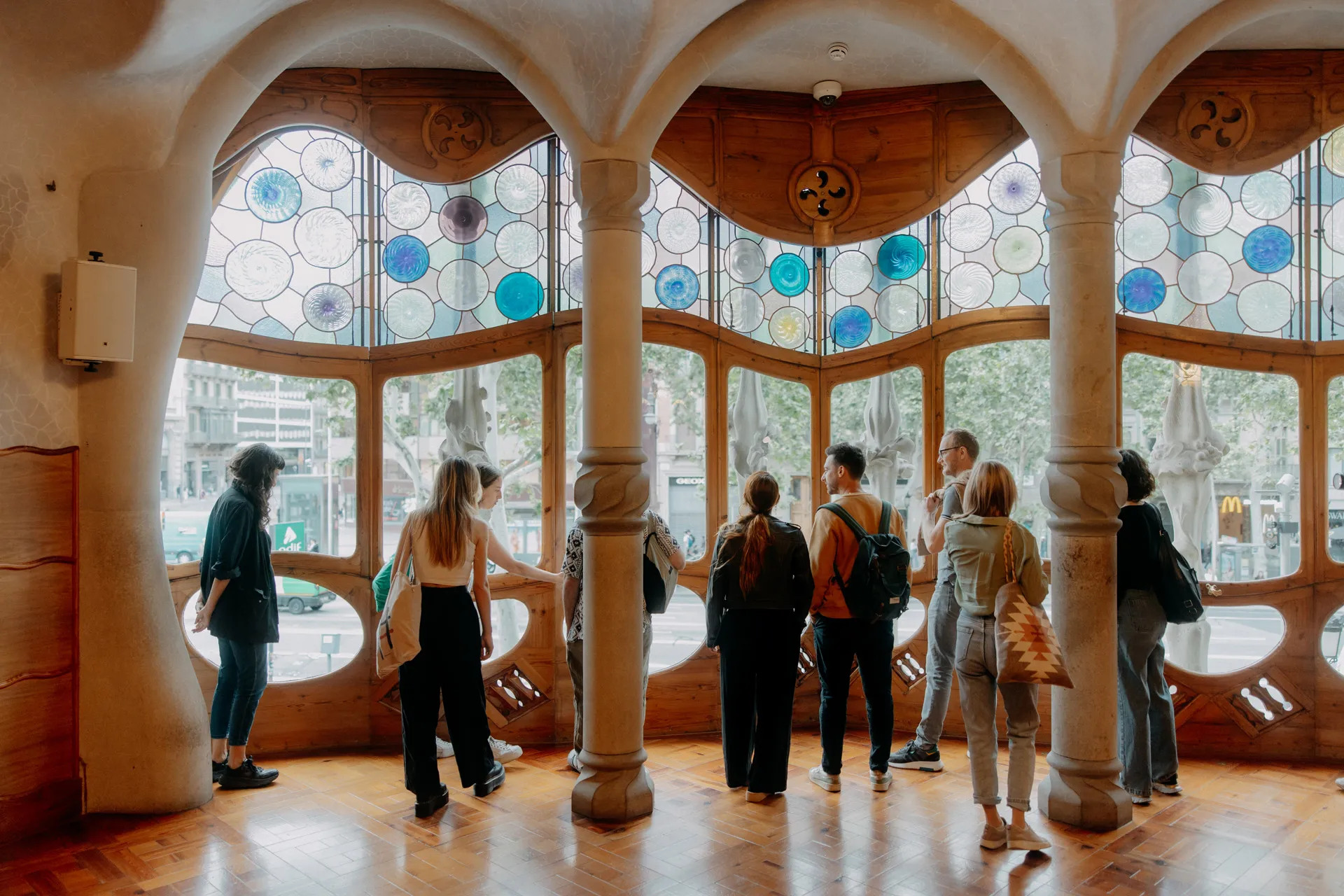
Partnerships, cultural programs and patronage support conservation and visitor services.
Stewardship focuses on preservation and education—the Casa Batlló name remains iconic.
Planning a historically aware visit
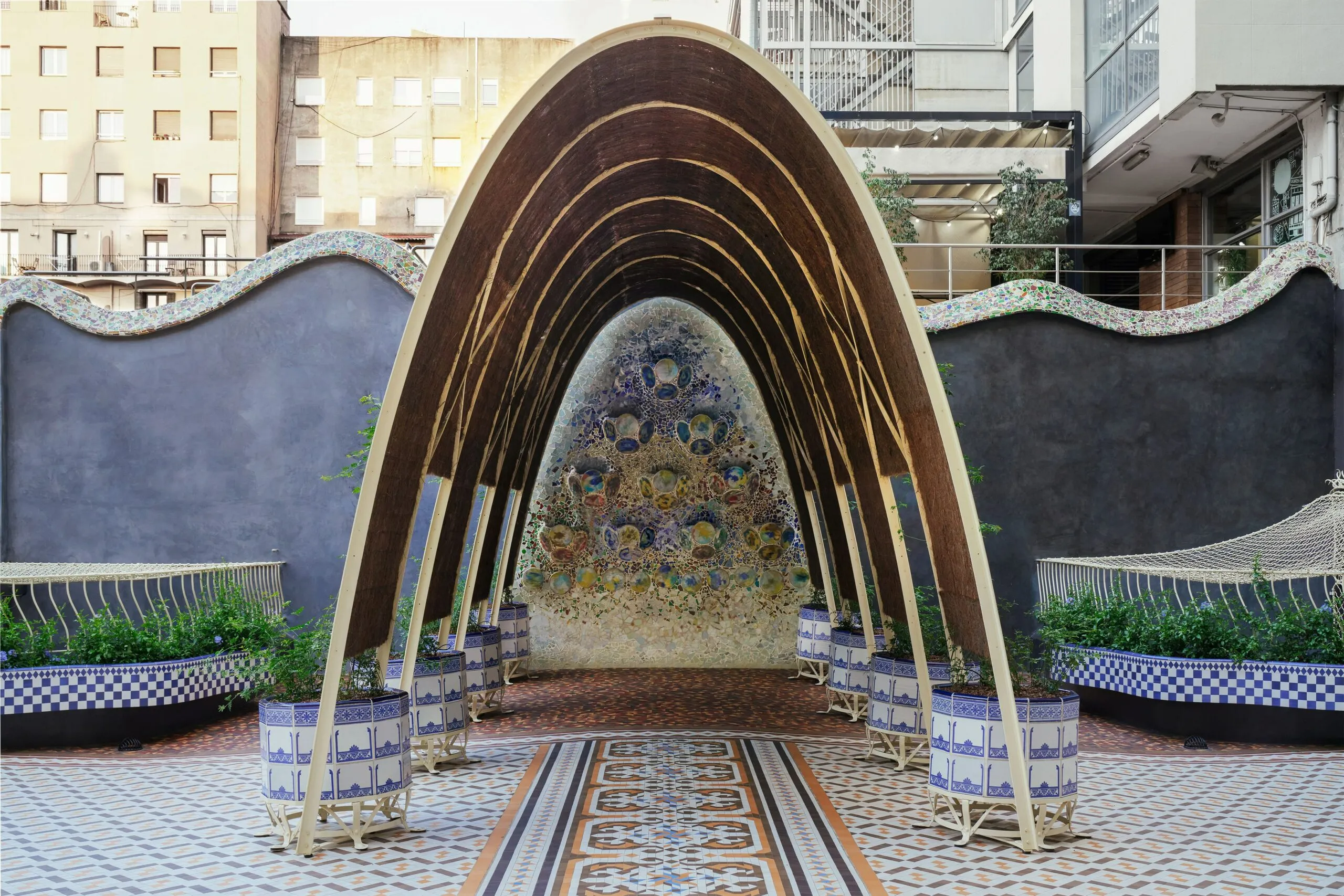
Pick a time: weekday mornings for calm, late afternoons for warm light. Leave extra time for the rooftop.
Check for special events or temporary closures—conservation work can affect some areas.
Eixample and city culture
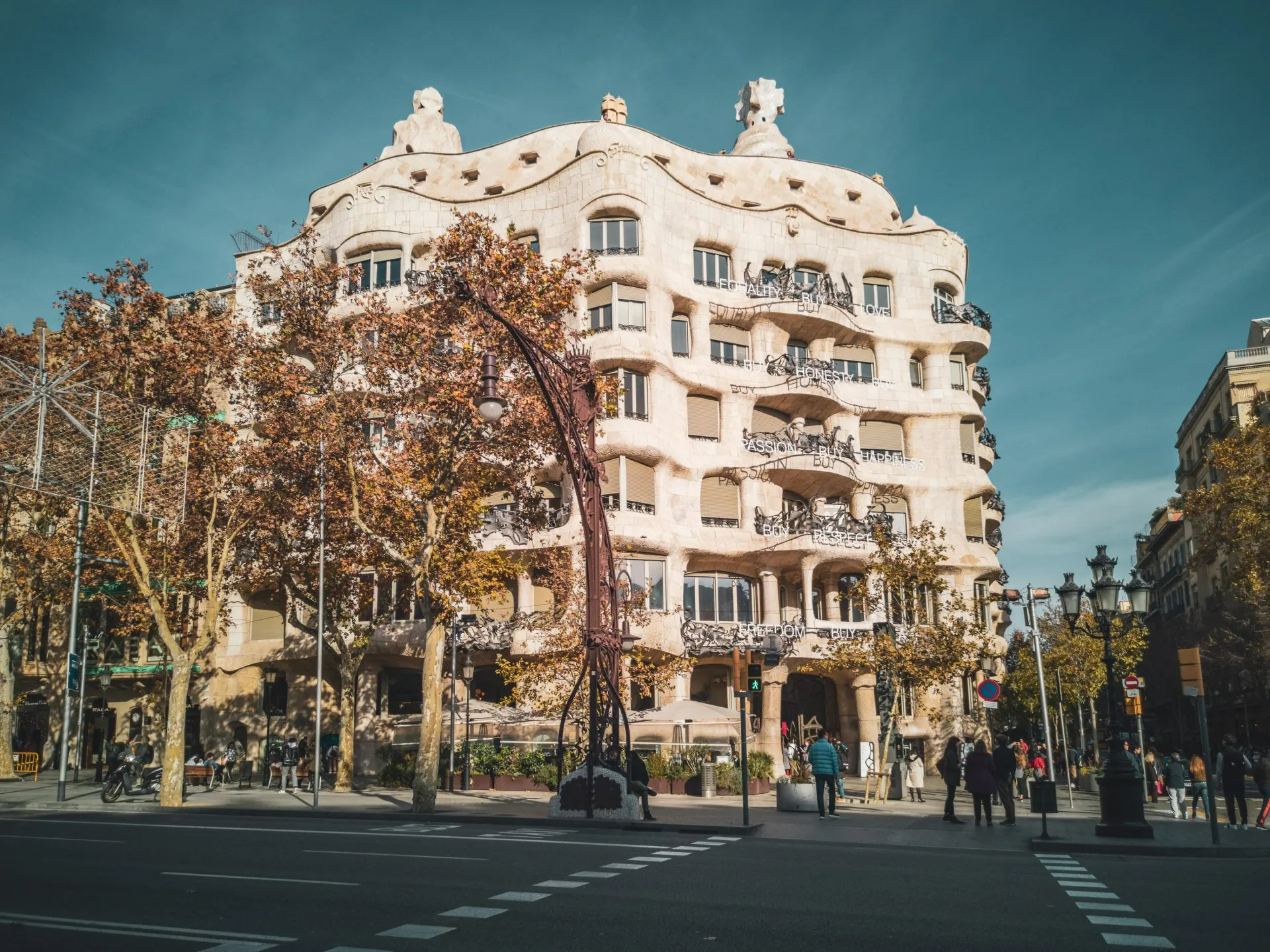
Casa Batlló anchors Passeig de Gràcia—boutiques, cafés and galleries give the area a lively, elegant rhythm.
Walk between Plaça de Catalunya and Diagonal for architecture, shopping and city‑life snapshots.
Nearby highlights and connections
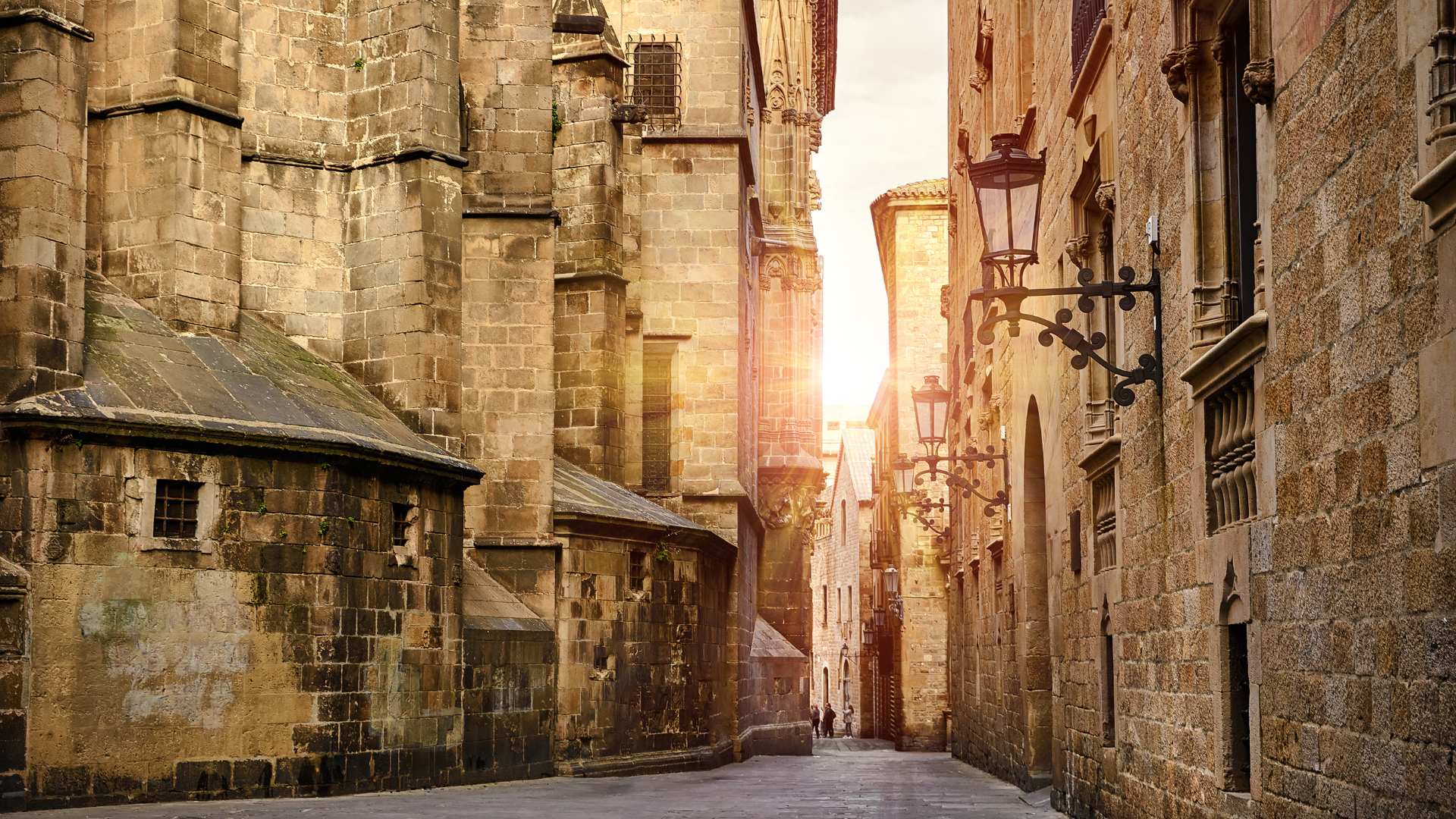
Nearby Gaudí highlights include La Pedrera (Casa Milà) and Casa Amatller; the Gothic Quarter and the cathedral are a short walk or metro ride away.
For shopping, explore Passeig de Gràcia and Rambla de Catalunya; for green space, head to Parc de la Ciutadella.
A modern Barcelona symbol
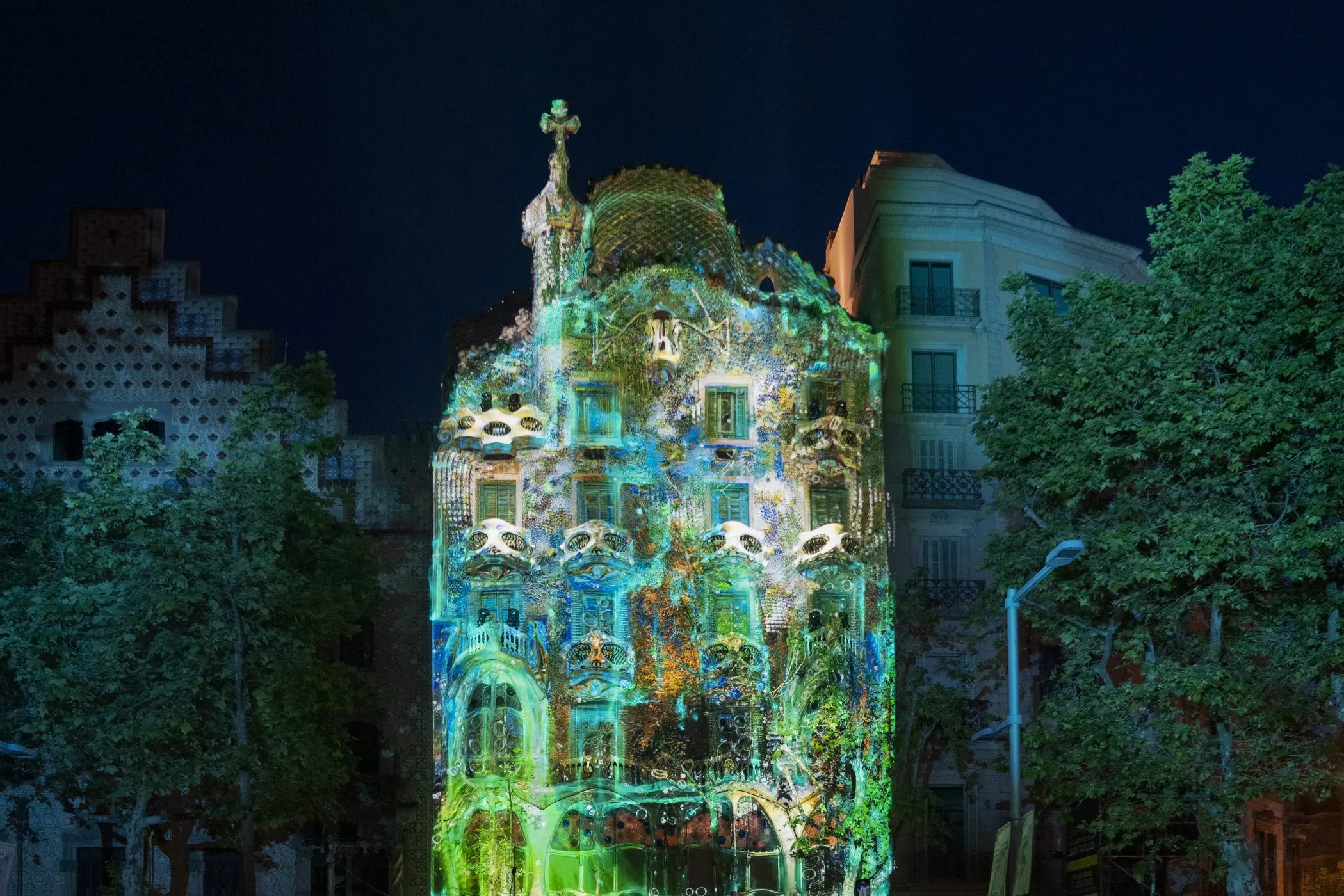
Casa Batlló blends tradition with innovation—craft, structure and immersive storytelling in one unforgettable visit.
Whether it’s your first time or your fifth, the house reshapes how you see Gaudí and Barcelona.
Table of Contents
Origins and early vision
Originally an 1870s townhouse, Casa Batlló was transformed between 1904–1906 when industrialist Josep Batlló commissioned Antoni Gaudí to reinvent it.
Gaudí reimagined structure, light and ventilation—turning a family home into a masterpiece of Barcelona’s Modernisme.
Design and architectural evolution
The organic façade waves with stone, iron and colorful trencadís. Inside, lightwells and flowing forms guide air and daylight.
Careful restorations and new immersive rooms enhance the visit while preserving craft, materials and Gaudí’s intent.
Construction and expansions
Gaudí reworked the structure, staircase, Noble Floor and patio, adding the attic and rooftop with sculptural chimneys.
Later conservation projects stabilized materials, revived colors and discreetly integrated technology for visitors.
Recognition and cultural impact
Casa Batlló is a UNESCO World Heritage Site and a symbol of Barcelona’s creativity, craftsmanship and urban identity.
Its silhouette and colors shape how visitors picture the Eixample and Passeig de Gràcia.
Visitor route and experience
The visit is self‑paced: immersive rooms first, then the Noble Floor, blue patio, attic and rooftop.
Expect photo stops, a smart audio guide and an accessible route with lifts and staff support.
Operations, safety and maintenance
Continuous conservation and regular checks keep materials stable and the visit comfortable and safe.
Private events can prompt route changes; safety and comfort guide operations throughout the day.
Accessibility and inclusion
Step‑free routes, lifts and staff assistance make most areas accessible. Strollers are welcome.
Some rooftop sections include steps—ask staff for the best route and alternatives.
Sustainability and urban context
A central, public‑transport‑first location reduces car use; most visitors arrive by Metro, train or on foot.
Ongoing efforts consider energy use, materials and responsible operations in a dense urban setting.
Stewardship, partnerships and support
Partnerships, cultural programs and patronage support conservation and visitor services.
Stewardship focuses on preservation and education—the Casa Batlló name remains iconic.
Planning a historically aware visit
Pick a time: weekday mornings for calm, late afternoons for warm light. Leave extra time for the rooftop.
Check for special events or temporary closures—conservation work can affect some areas.
Eixample and city culture
Casa Batlló anchors Passeig de Gràcia—boutiques, cafés and galleries give the area a lively, elegant rhythm.
Walk between Plaça de Catalunya and Diagonal for architecture, shopping and city‑life snapshots.
Nearby highlights and connections
Nearby Gaudí highlights include La Pedrera (Casa Milà) and Casa Amatller; the Gothic Quarter and the cathedral are a short walk or metro ride away.
For shopping, explore Passeig de Gràcia and Rambla de Catalunya; for green space, head to Parc de la Ciutadella.
A modern Barcelona symbol
Casa Batlló blends tradition with innovation—craft, structure and immersive storytelling in one unforgettable visit.
Whether it’s your first time or your fifth, the house reshapes how you see Gaudí and Barcelona.