Horaires de visite09:00 AM – 09:00 PM
|Jeudi, Avril 2, 2026Passeig de Gràcia, 43, 08007 Barcelone, Espagne
Retour à history
construction
Casa Batlló History – 1904–1906 Transformation
Commission context & redesign phases: original building, Gaudí's metamorphosis & ownership lineage.
11/17/2025
15 min read
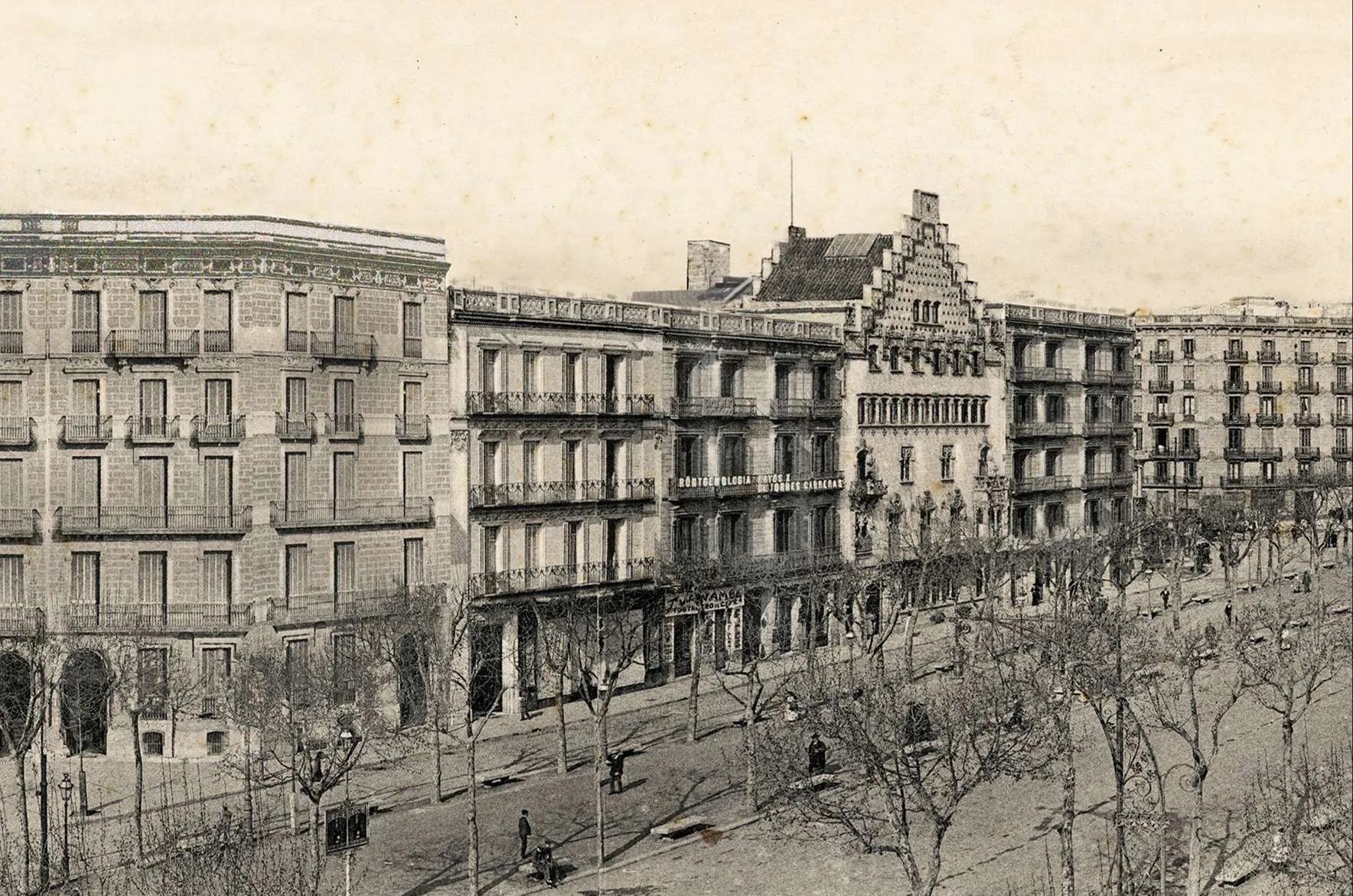
1) Pre-Gaudí Building (Late 19th Century)
- Original apartment block on Passeig de Gràcia with conventional layout.
- Facade was restrained compared to later Modernisme neighbors.
2) The Commission (Josep Batlló, 1904)
- Goal: stand-out prestige residence and symbol of success.
- Decision point: demolition vs radical redesign—Gaudí proposed metamorphosis, not replacement.
3) 1904–1906 Transformation Timeline
| Phase | Works | Visitor-Relevant Outcome |
|---|---|---|
| Structural Reconfig | Light well optimization, stair ergonomics | Brighter interiors, fluid circulation |
| Facade Recomposition | Trencadís mosaic, bone-like balconies | Iconic dragon/sea narrative visitors admire today |
| Roof & Attic | Dragon back profile, catenary arches | Photogenic roofscape + efficient ventilation |
| Noble Floor | Organic wood, glass, custom details | Signature domestic elegance for tour highlights |
4) Materials & Techniques
- Trencadís (broken tile) for chroma gradients and reflective shimmer.
- Hand-shaped ironwork for organic balcony and rail curves.
- Progressive tile saturation in the light well to equalize luminance.
5) After 1906 – Stewardship & Conservation
- Ownership transitions maintained the house’s artistic mission.
- Conservation eras: gentle cleaning, selective ceramic replacements, structural monitoring.
- Today’s visit blends original form with careful preservation ethics.
6) Context in Barcelona’s Modernisme
- Alongside Casa Amatller and later Casa Milà, Batlló forms a stylistic conversation about nature-inspired architecture.
- Passeig de Gràcia became the boulevard of bold domestic artistry and urban identity.
7) Visitor Tips (History-Focused)
- Begin outside: read facade as chaptered story (sea → bones → dragon).
- Inside: track how ergonomics and light well choices serve daily comfort.
- End on the roof: recognize the dragon spine as both myth and climate logic.
Bottom Line
Casa Batlló’s transformation shows how innovation can reuse structure while elevating everyday life—history becomes tangible through light, comfort, and poetic form.
À propos de l’auteur

Architectural Historian
J'ai créé ce guide pour vous aider à choisir les meilleurs créneaux, éviter les files et profiter au mieux de la Casa Batlló.
Tags
history
construction
Gaudí
transformation
commission
Comments (0)
Leave a Comment
Loading comments...